research

New podcast: How are farmers reducing emissions?

A new podcast series showcasing practical, farmer-led approaches to reducing on-farm emissions is coming soon. The six episodes will feature farmers and researchers who share their experiences, lessons and ideas on the journey to decarbonisation. But it’s not always easy. Podcast host, farmer and extension officer Pippa Jones (also a Nuffield scholar) asks farmers: What […]

New podcast: How are farmers reducing emissions? Read More »
Improving phosphorous management in Australian macadamias

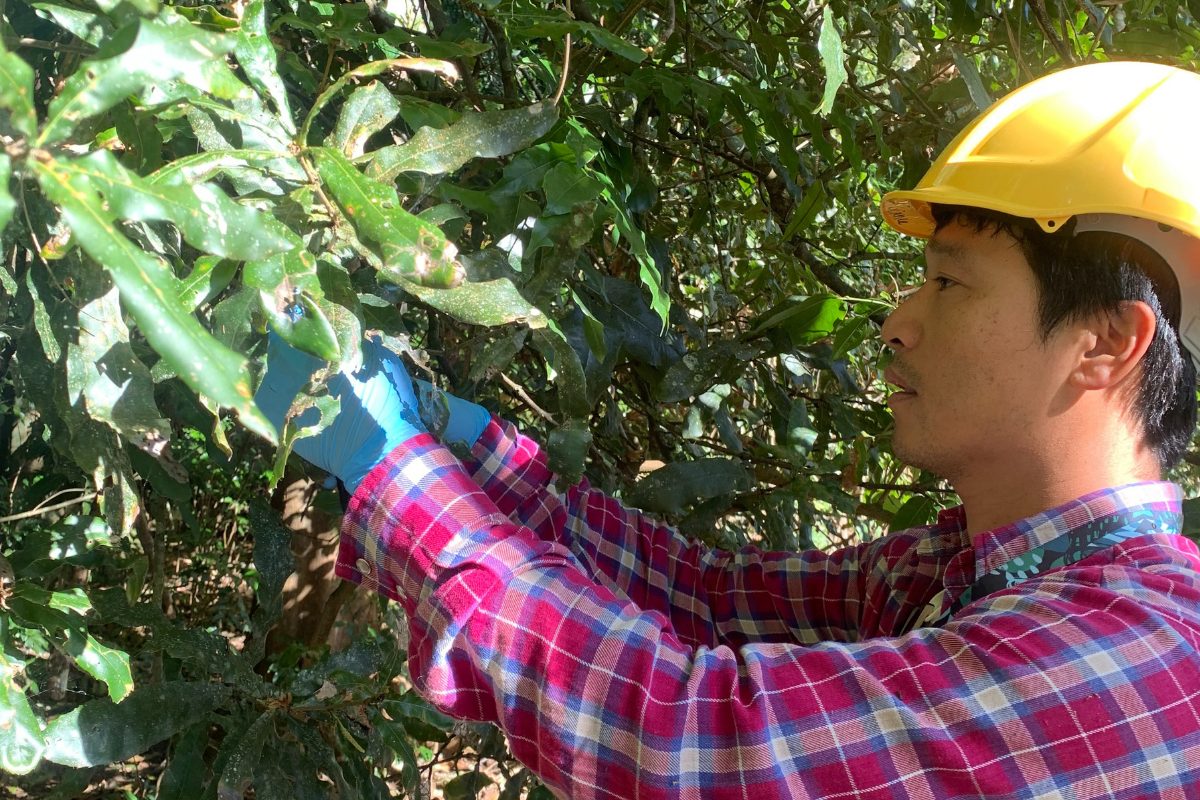
Southern Cross University (SCU), in collaboration with the NSW Department of Primary Industries and Regional Development (DPIRD) and the Australian Macadamia Society (AMS), is leading innovative research to strengthen the sustainability and productivity of the $280 million macadamia industry. The project focuses on optimising nutrient use efficiency, especially phosphorus (P), which is a finite resource

Improving phosphorous management in Australian macadamias Read More »

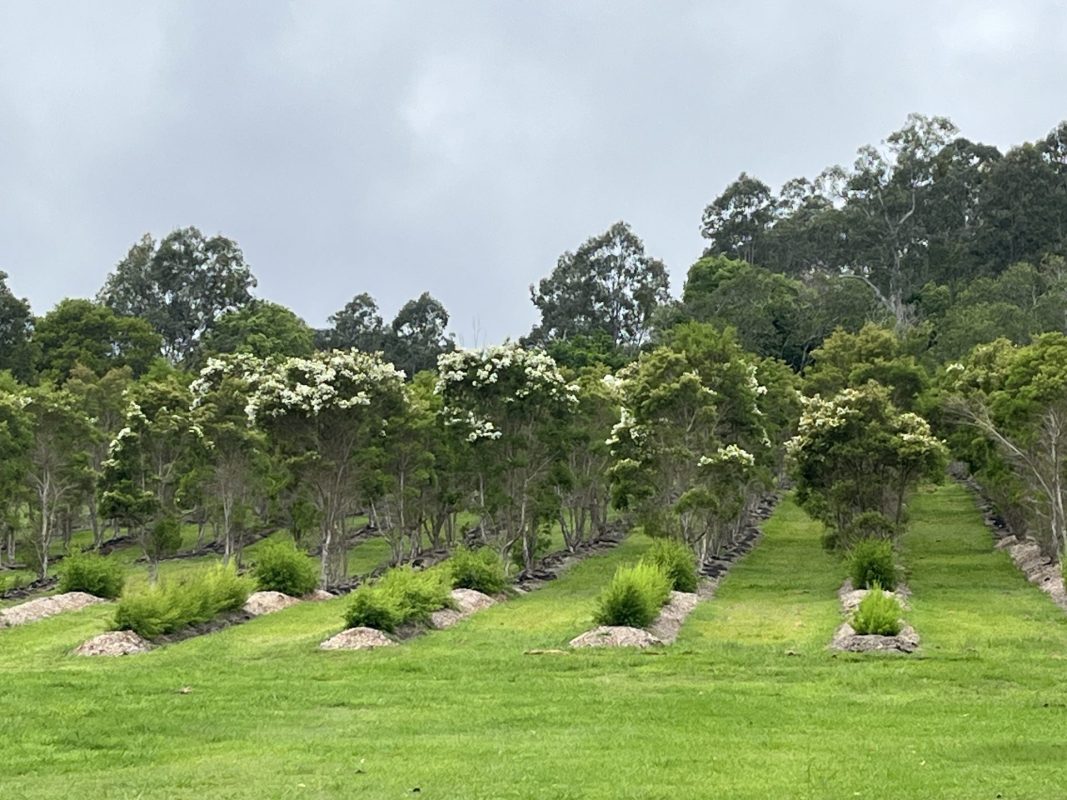
Impact of tea tree research and breeding programs

Since 1993, Southern Cross University (SCU) has helped develop Australian tea tree oil into a globally competitive industry. By working closely with our partners, AgriFutures and the Australian Tea Tree Industry Association, we have delivered economic and societal benefits for industry and growers. DOWNLOAD THE CASE STUDY https://www.youtube.com/watch?v=NtAZlagyzhw Key outcomes: Decades of genetic and agronomic

Impact of tea tree research and breeding programs Read More »

Local trials give farmers new insights into pasture dieback

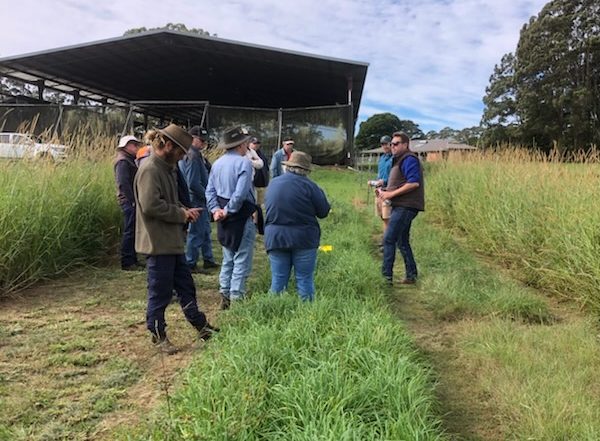
New research and paddock trials are helping to provide local farmers with practical strategies to better manage pasture dieback. Southern Cross University, in partnership with North Coast Local Land Services, is leading the work, which aims to determine which grass species are more tolerant to pasture dieback. Terry Rose from SCU and Nathan Jennings from

Local trials give farmers new insights into pasture dieback Read More »

Group of researchers in a workshop

Bringing research out of universities and into the paddocks

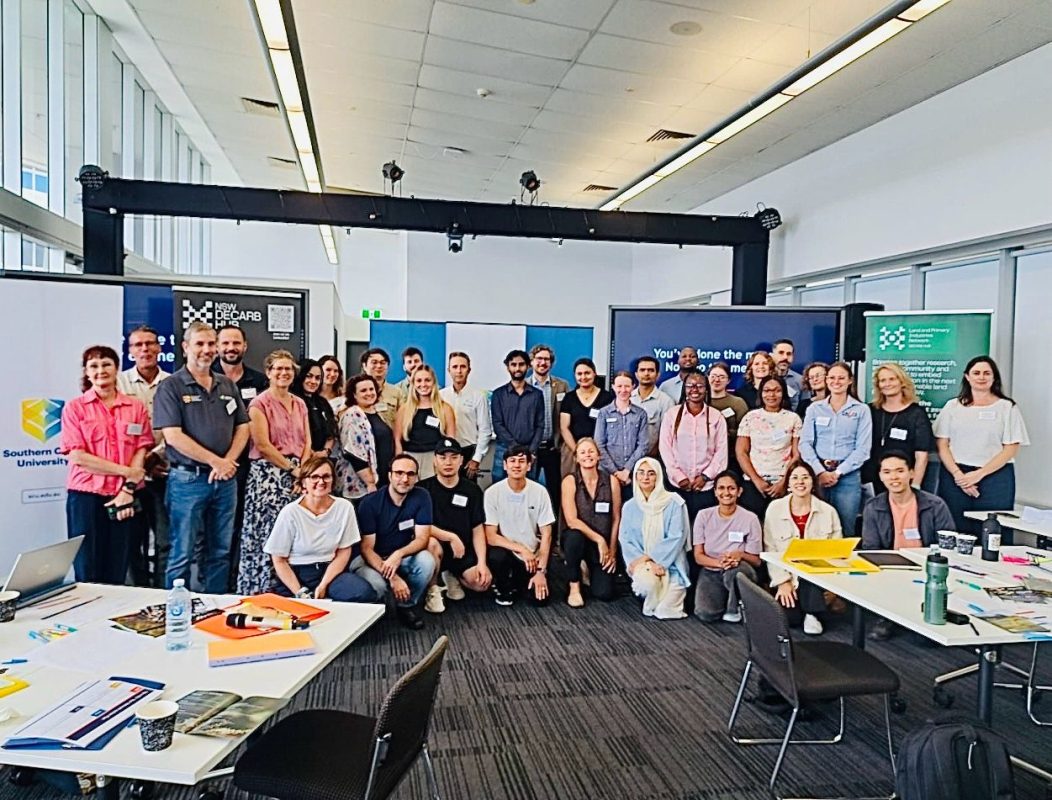
There is a lot of practical, innovative and relevant agriculture and land management research happening in our universities. So why don’t we hear more about it? The main problem is that (many, not all) researchers are generally focused on publishing academic papers and winning grants to do more research. There have been limited incentives for

Bringing research out of universities and into the paddocks Read More »

Woman standing in a paddock next to a farm dam.

Benefits of boosting farm dam biodiversity

Farm dams are an important asset for property owners, providing water for livestock and irrigation. But they can also have many environmental and biodiversity benefits if managed effectively. Southern Queensland and Northern NSW (SQNNSW) Bingara extension officer, Janelle Schafer, recently spoke about ways to enhance farm dams at two workshops organised by Razzaq Sarker, Land

Benefits of boosting farm dam biodiversity Read More »

Can we grow ‘low-methane’ rice in Northern NSW?

Rice cultivation is the second largest source of agricultural greenhouse gas emissions each year. That’s because in traditional flooded growing systems, conditions are ideal for methane and nitrous oxide production. But researchers from Southern Cross University are investigating whether dryland rice operations, like those in Northern NSW, generate less emissions. Working with industry partner Natural

Can we grow ‘low-methane’ rice in Northern NSW? Read More »

The micronutrients helping to build soil carbon in our paddocks

How much carbon is stored in the soils of grazing paddocks across the Northern Rivers region? What factors influence these levels? And can land management practices increase productivity and soil health? Southern Cross University researcher Dr Abe Gibson has been working with the Casino Food Co-op and Border Ranges Richmond Valley Landcare to find out.

The micronutrients helping to build soil carbon in our paddocks Read More »

WA cropping group trials regenerative alternative to herbicides

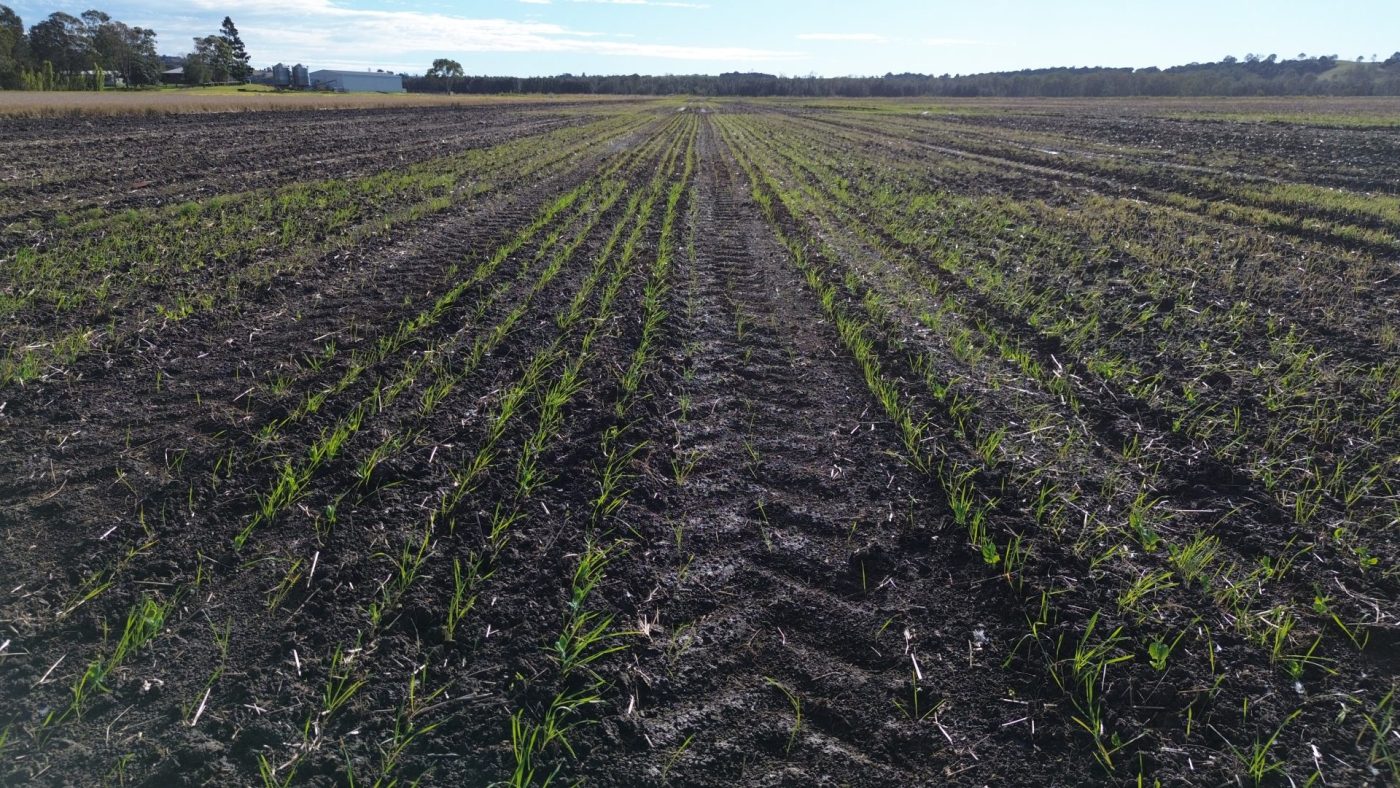
Could new research by Southern Cross University provide the evidence for WA cropping groups to use less chemicals in favour of regenerative practices? Western Australian cropping systems typically involve a summer fallow kept free of weeds using herbicides due to concerns that the use of stored soil moisture by weeds over summer may impact on

WA cropping group trials regenerative alternative to herbicides Read More »

Scroll to Top