Author name: rebecca

Impacts of biological and regenerative farming practices in a stonefruit orchard

Through education, persistence, and simply “having a go”, Rowan Berecry from Good Rich Fruit Company found that introducing new practices had many unexpected benefits, including reduced inputs, improved soil health and increased soil carbon. This not only reduced their on-farm emissions, but also led to an increased demand for their fruit, the Queen Garnet plum.

Impacts of biological and regenerative farming practices in a stonefruit orchard Read More »

Retrofitting for lower emissions on a WA beef cattle farm

Nick Sissoev’s family farm near Margaret River has long followed a regenerative path, building soil health, lowering inputs and improving landscape function. Rising diesel costs prompted Nick to look for a practical way to reduce fuel use and emissions without replacing existing machinery. Working with local technology developer Dean Shipp from Hy-Boost Technology, the farm

Retrofitting for lower emissions on a WA beef cattle farm Read More »

Growing berries with green nitrogen fertiliser for a resilient future

Can the production of green nitrogen fertiliser support Mountford Berries’ decarbonisation journey, and give them greater confidence in the supply of this critical input? The Mackinnon family is trialling a new system from PlasmaLeap Technologies, which uses green electricity to create a lightning-like plasma that activates nitrogen molecules to produce nitrate-based fertilisers with a significantly

Growing berries with green nitrogen fertiliser for a resilient future Read More »

Building resilience with biochar on a NSW cattle farm

When John Winter discovered the concept of biochar almost 20 years ago, he knew it could play an important role in on-farm decarbonisation. By converting biomass into stable soil carbon – which improves soil health and reduces emissions – biochar has the potential to help the agriculture sector respond to climate challenges. John co-founded the

Building resilience with biochar on a NSW cattle farm Read More »

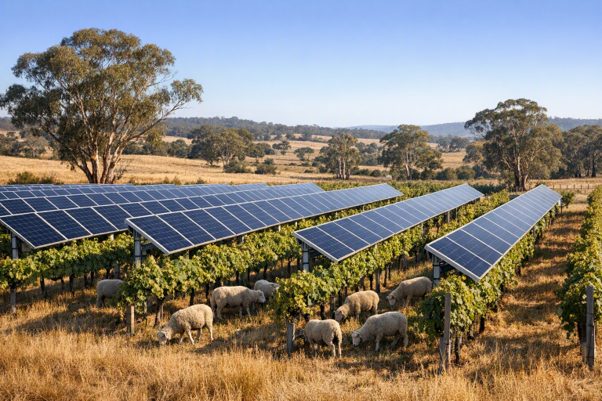
Three decades of sustainability and organic farming at a NSW vineyard

The Jarrett family has farmed in the Orange region for more than 30 years, building See Saw Wine around organic production and a deep commitment to land stewardship. They have worked to improve soil health, reduce waste and energy use, and conserve water. By continually seeking better ways to manage their farm and wine operations, the Jarretts are strengthening the resilience of

Three decades of sustainability and organic farming at a NSW vineyard Read More »

New podcast: How are farmers reducing emissions?

A new podcast series showcasing practical, farmer-led approaches to reducing on-farm emissions is coming soon. The six episodes will feature farmers and researchers who share their experiences, lessons and ideas on the journey to decarbonisation. But it’s not always easy. Podcast host, farmer and extension officer Pippa Jones (also a Nuffield scholar) asks farmers: What

New podcast: How are farmers reducing emissions? Read More »

Improving phosphorous management in Australian macadamias

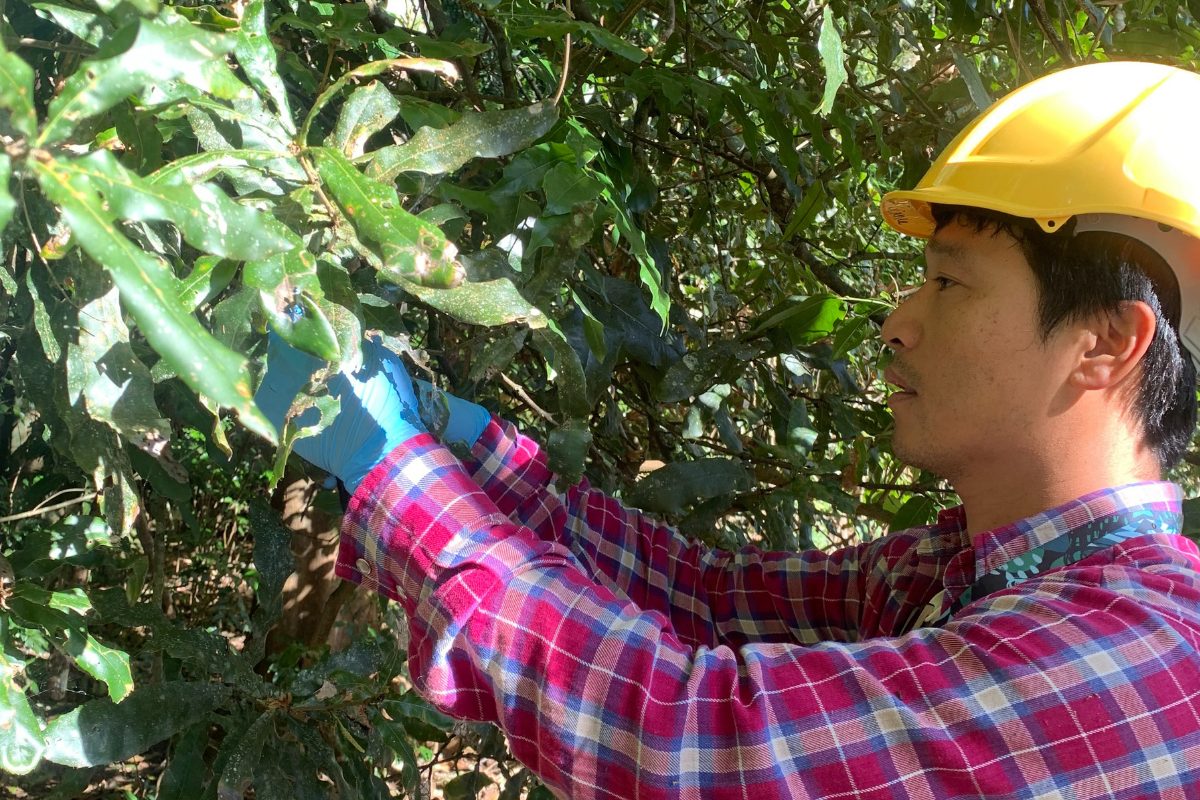
Southern Cross University (SCU), in collaboration with the NSW Department of Primary Industries and Regional Development (DPIRD) and the Australian Macadamia Society (AMS), is leading innovative research to strengthen the sustainability and productivity of the $280 million macadamia industry. The project focuses on optimising nutrient use efficiency, especially phosphorus (P), which is a finite resource

Improving phosphorous management in Australian macadamias Read More »

Cutting costs and emissions with solar on a cotton and wheat farm

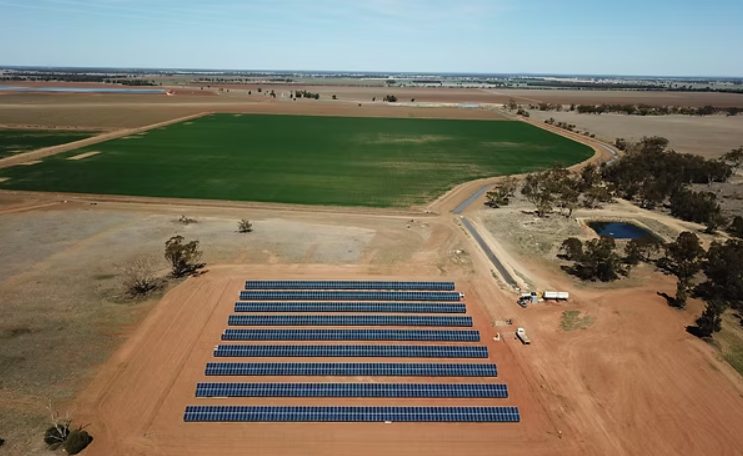
After installing one of Australia’s largest solar-diesel irrigation pumps, Karin Stark and her family faced major challenges with reliability and sustainability. But they haven’t given up. With plans to connect to the grid, they are more determined than ever to show how renewables can support productive farming and create practical pathways for emissions reduction.  Farm: 2500-hectare cotton and wheat farm  Location: Narromine, Central West NSW  Download

Cutting costs and emissions with solar on a cotton and wheat farm Read More »

Impact of tea tree research and breeding programs

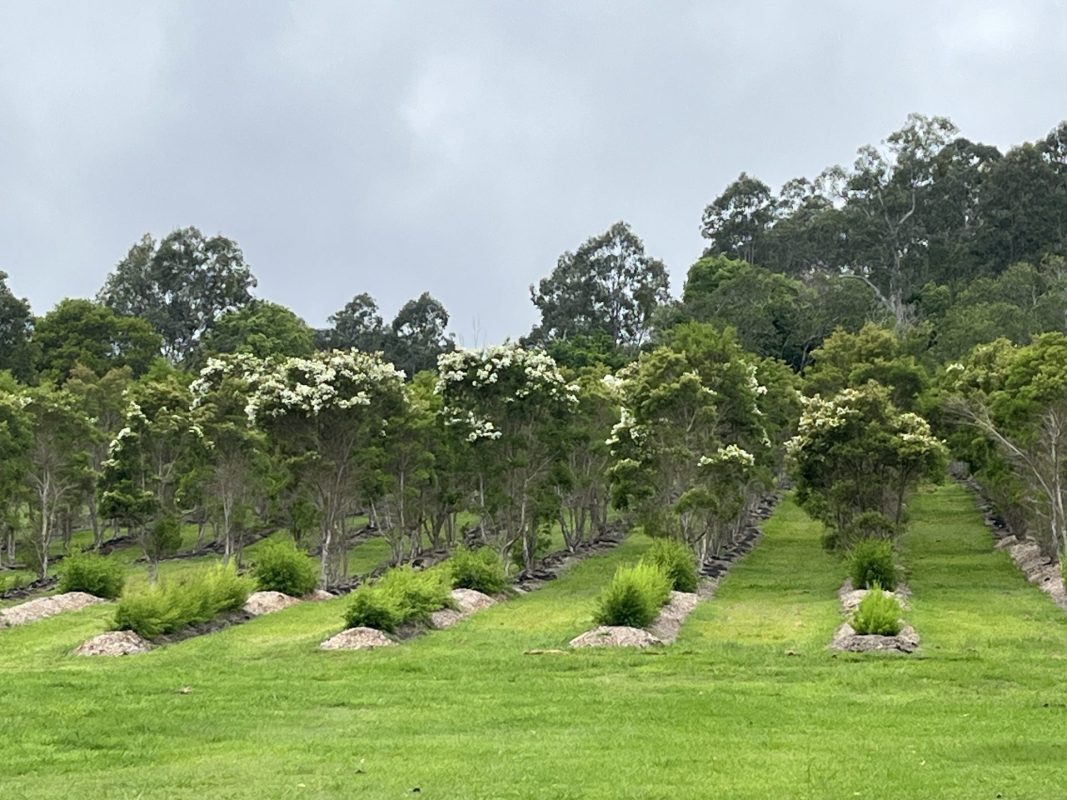
Since 1993, Southern Cross University (SCU) has helped develop Australian tea tree oil into a globally competitive industry. By working closely with our partners, AgriFutures and the Australian Tea Tree Industry Association, we have delivered economic and societal benefits for industry and growers. DOWNLOAD THE CASE STUDY https://www.youtube.com/watch?v=NtAZlagyzhw Key outcomes: Decades of genetic and agronomic

Impact of tea tree research and breeding programs Read More »

Local trials give farmers new insights into pasture dieback

New research and paddock trials are helping to provide local farmers with practical strategies to better manage pasture dieback. Southern Cross University, in partnership with North Coast Local Land Services, is leading the work, which aims to determine which grass species are more tolerant to pasture dieback. Terry Rose from SCU and Nathan Jennings from

Local trials give farmers new insights into pasture dieback Read More »

Part 4: ‘Day in the life’ of our farm extension advisor

How does a farm extension advisor pass their time with the SQNNSW Innovation Hub?   This is Part 4 of ‘a day in a life of’. I’m Gavin Tinning and I’m based at Southern Cross University and work across the north coast region of NSW. I work with farmers, researchers from SCU and partners like Landcare and local councils, to support the farmers managing our diverse soils and

Part 4: ‘Day in the life’ of our farm extension advisor Read More »

Scroll to Top