Author name: rebecca

New projects helping to improve river catchment

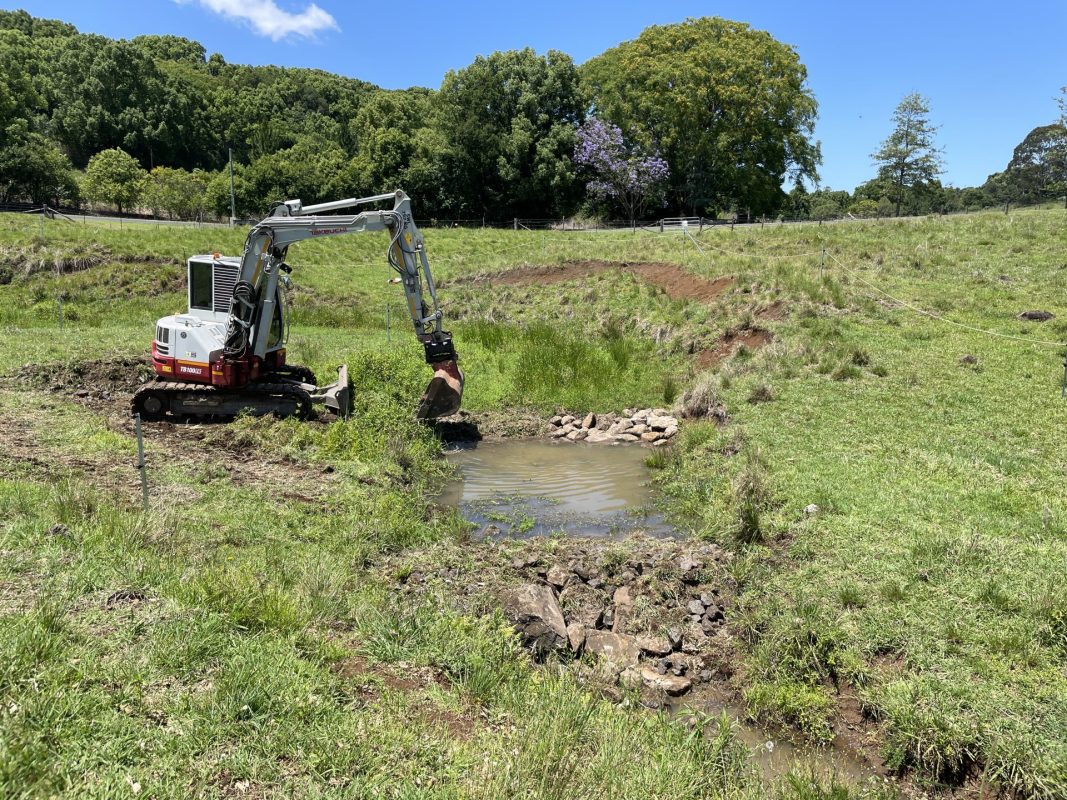
The Lismore Node of the SQNNSW Innovation Hub is contributing to catchment regeneration projects being managed by Rous County Council. Rous’s Watershed Initiative has now commenced, with a focus on catchment restoration. To complement the larger goals of Rous to improve water quality and biodiversity, Gavin from the Lismore Node has been installing a series […]
New projects helping to improve river catchment Read More »

Improving pastures and biodiversity on 3000ha cattle farm

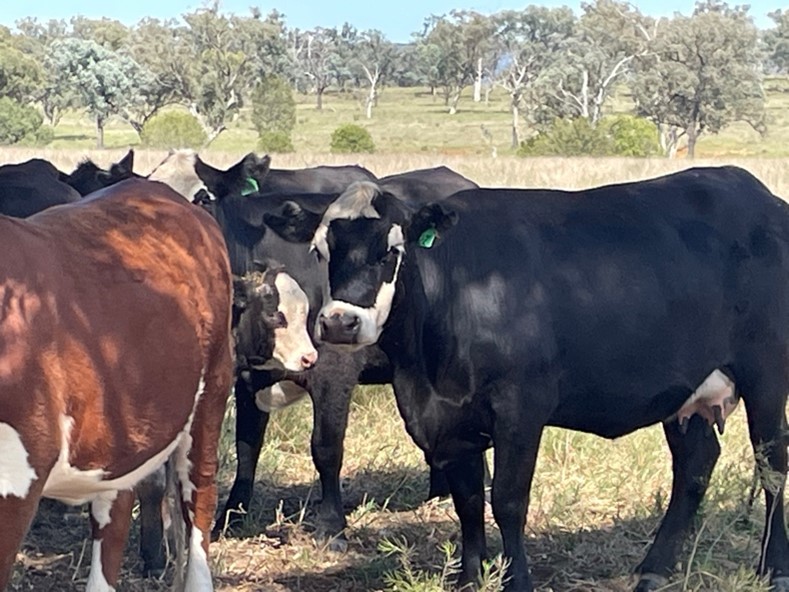
Our Bingara Extension Officer, Janelle Schafer, was recently invited to Mitiamo, a family farm at Palla, near Bingara in Northern NSW. It’s the home of Jason and Breanna Mack, with Don and Gay Mack living at the neighbouring property, Berrybank. Combined, the two farms are 3100 hectares. They’re working on new ways to improve the

Improving pastures and biodiversity on 3000ha cattle farm Read More »

Farmers improve productivity, resilience with RAMP

An “engaging and rewarding” program developed by Southern Cross University has helped farmers improve their sustainability, productivity and resilience. The Regenerative Agriculture Mentoring Program (RAMP) connects small groups of farmers with trusted agriculture experts to build their knowledge and networks. Farmers participate in regular group sessions, and have access to a workbook, webinars, fact sheets,

Farmers improve productivity, resilience with RAMP Read More »

Creating a flourishing soil microbiome: Dr Christine Jones

Internationally renowned soils ecologist, Dr Christine Jones, gave a guest lecture presentation to our Regenerative Agriculture Mentoring Program (RAMP) participants. She has a wealth of experience working with innovative landholders to implement regenerative land management practices that enhance biodiversity, increase biological activity, sequester carbon, activate soil nutrient cycles, restore water balance, improve productivity and create

Creating a flourishing soil microbiome: Dr Christine Jones Read More »

Silhouette of woman and dog at sunset

Successful mentoring programs lead to on-farm changes

Farmers have gained valuable skills and expert advice thanks to our two Regenerative Agriculture Mentoring Programs. In July, the NSW Environmental Trust funded 12-month RAMP celebrated its first full program completion. The final guest lecture presentation was a panel discussion from the team of mentors, including Tony Hill, Brian Wehlburg, Glen Chapman, Fiona George (for

Successful mentoring programs lead to on-farm changes Read More »

Group of people standing in a paddock with cows in the background

Holistic grazing for the land, plants, animals and people

A three-day workshop will help graziers maintain animal performance and ensure they have enough pasture, while also improving their farm’s profitability and biodiversity. Organised by the Southern Queensland Northern NSW Innovation Hub, the Holistic Grazing Workshop will be facilitated by Holistic Management educator Brian Wehlburg at The Living Classroom at Bingara from October 3-5. Brian

Holistic grazing for the land, plants, animals and people Read More »

Hands holding soil

Industry leaders set to speak at Soil Carbon Summit

Soil carbon sequestration has the potential to be a game-changer for agricultural productivity and the resilience of landscapes, regions and farming communities. The Soil Carbon Summit – to be held in Brisbane on Monday, July 17 – will explore these opportunities and deliver insights into future of this new carbon economy. It has been organised

Industry leaders set to speak at Soil Carbon Summit Read More »

8. Further Resources and Guidance

General carbon farming resources A Farmer’s Handbook to On-farm Carbon Management, CarbonCount Clean Energy Regulator – methods, tools and case studies for the land sector Australian Farm Institute – landholder guide to soil carbon farming Carbon Market Institute – fact sheets and signatories to the Code of Practice Lists of carbon service providers to connect

8. Further Resources and Guidance Read More »

Principles for successful and sustained collaboration

Collaboration can be a powerful tool, enabling primary producers to work together and enhance their business position by creating opportunities that could not be achieved alone. But working collaboratively is not always a golden ticket to business success, because collaboration is not easy to achieve, and it’s even harder to sustain. Collaboration is high risk

Principles for successful and sustained collaboration Read More »

5. Pathways and enabling factors

Through the interviews and workshops that were undertaken with farmers, landholder groups, government agencies, carbon service providers and various experts for this guide, the area that emerged as the most promising starting point for collaboration around carbon farming was knowledge-sharing and support with project establishment. Key reasons for this include: Collaboration in this area has

5. Pathways and enabling factors Read More »

4. Case studies

The three case studies presented here highlight the diversity of models and stakeholder groups that could become involved in collaborative carbon farming. These stakeholder groups include: Farming systems groups: Starting with an existing group like this can maximise trust and social bonds. A farming systems group is also likely to have members with similar enterprises

4. Case studies Read More »

Scroll to Top