Farming

Retrofitting for lower emissions on a WA beef cattle farm

Nick Sissoev’s family farm near Margaret River has long followed a regenerative path, building soil health, lowering inputs and improving landscape function. Rising diesel costs prompted Nick to look for a practical way to reduce fuel use and emissions without replacing existing machinery. Working with local technology developer Dean Shipp from Hy-Boost Technology, the farm

Retrofitting for lower emissions on a WA beef cattle farm Read More »

Building resilience with biochar on a NSW cattle farm

When John Winter discovered the concept of biochar almost 20 years ago, he knew it could play an important role in on-farm decarbonisation. By converting biomass into stable soil carbon – which improves soil health and reduces emissions – biochar has the potential to help the agriculture sector respond to climate challenges. John co-founded the

Building resilience with biochar on a NSW cattle farm Read More »

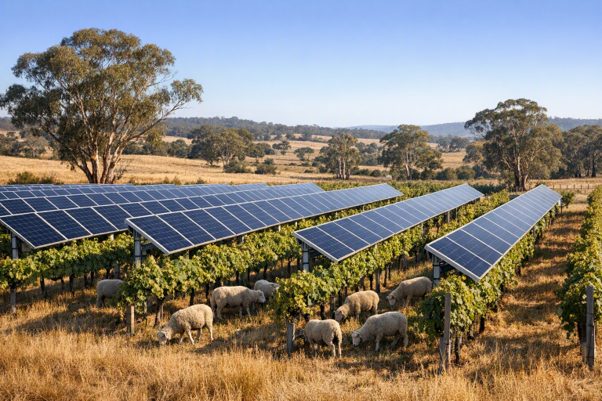
Three decades of sustainability and organic farming at a NSW vineyard

The Jarrett family has farmed in the Orange region for more than 30 years, building See Saw Wine around organic production and a deep commitment to land stewardship. They have worked to improve soil health, reduce waste and energy use, and conserve water. By continually seeking better ways to manage their farm and wine operations, the Jarretts are strengthening the resilience of

Three decades of sustainability and organic farming at a NSW vineyard Read More »

New podcast: How are farmers reducing emissions?

A new podcast series showcasing practical, farmer-led approaches to reducing on-farm emissions is coming soon. The six episodes will feature farmers and researchers who share their experiences, lessons and ideas on the journey to decarbonisation. But it’s not always easy. Podcast host, farmer and extension officer Pippa Jones (also a Nuffield scholar) asks farmers: What

New podcast: How are farmers reducing emissions? Read More »

Cutting costs and emissions with solar on a cotton and wheat farm

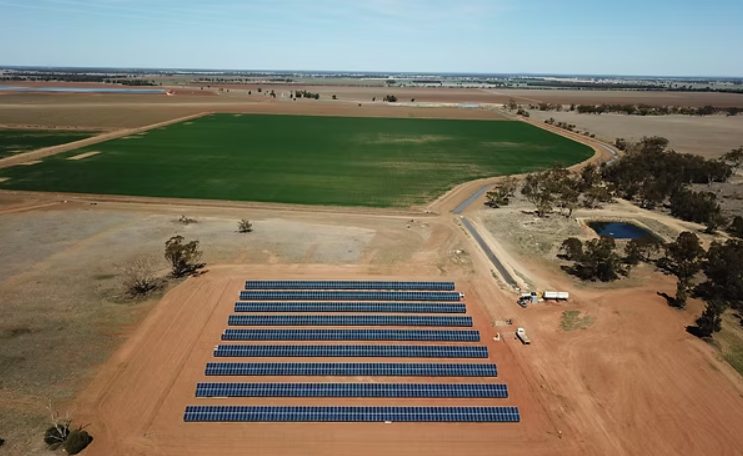
After installing one of Australia’s largest solar-diesel irrigation pumps, Karin Stark and her family faced major challenges with reliability and sustainability. But they haven’t given up. With plans to connect to the grid, they are more determined than ever to show how renewables can support productive farming and create practical pathways for emissions reduction.  Farm: 2500-hectare cotton and wheat farm  Location: Narromine, Central West NSW  Download

Cutting costs and emissions with solar on a cotton and wheat farm Read More »

The micronutrients helping to build soil carbon in our paddocks

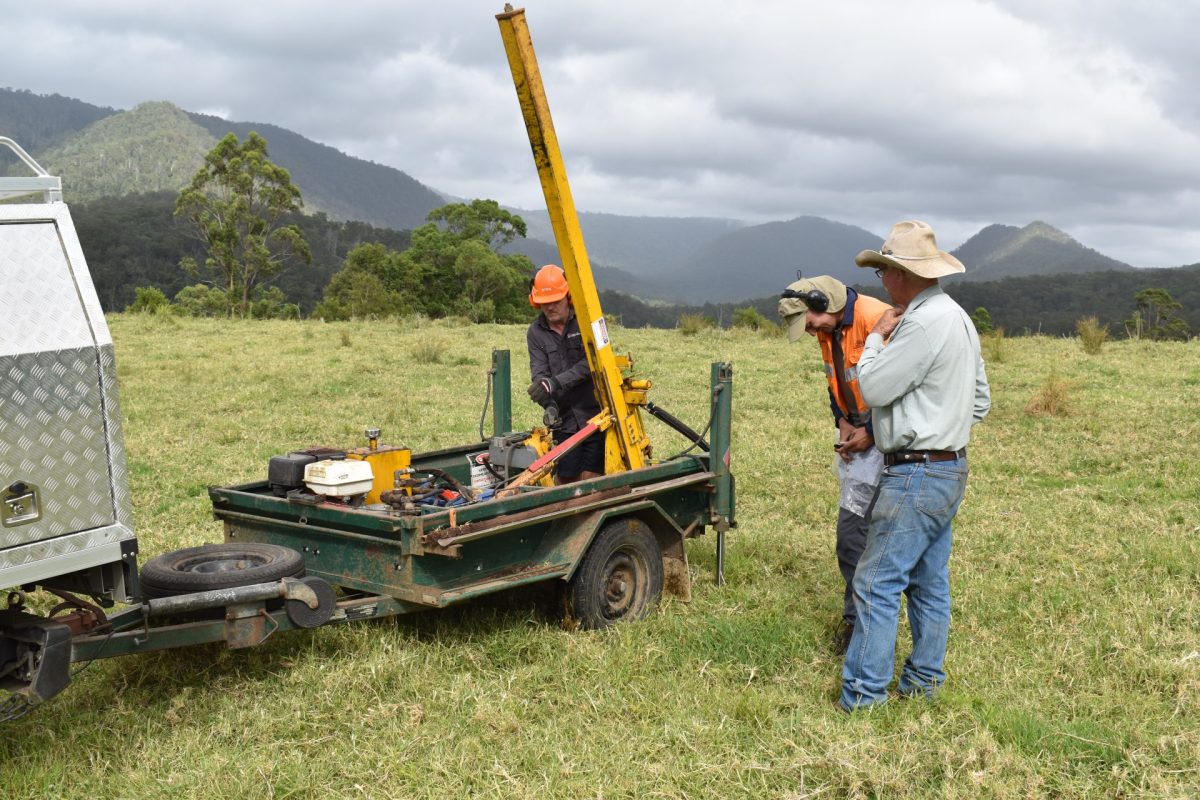
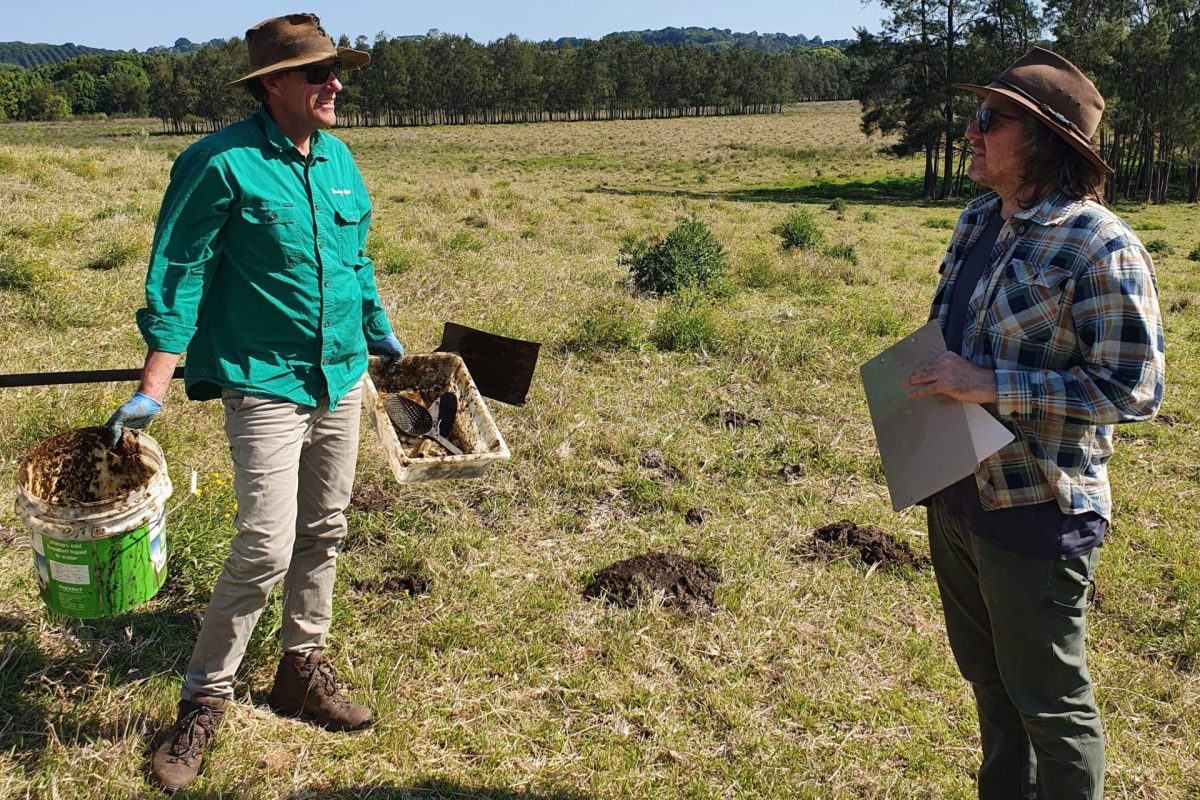
How much carbon is stored in the soils of grazing paddocks across the Northern Rivers region? What factors influence these levels? And can land management practices increase productivity and soil health? Southern Cross University researcher Dr Abe Gibson has been working with the Casino Food Co-op and Border Ranges Richmond Valley Landcare to find out.

The micronutrients helping to build soil carbon in our paddocks Read More »

‘It worries me’: Why we need a deeper connection to soils

LISTEN: Dr John Grant from Southern Cross University talks about soils.   “ Soils tend to be hugely neglected or taken for granted. Soils are not appreciated or given the importance that they really do have.” In his speech for World Soil Day in December 2024, soil scientist Dr John Grant from Southern Cross University (SCU)

‘It worries me’: Why we need a deeper connection to soils Read More »

Producer workshop: Building pasture diversity, soil biology

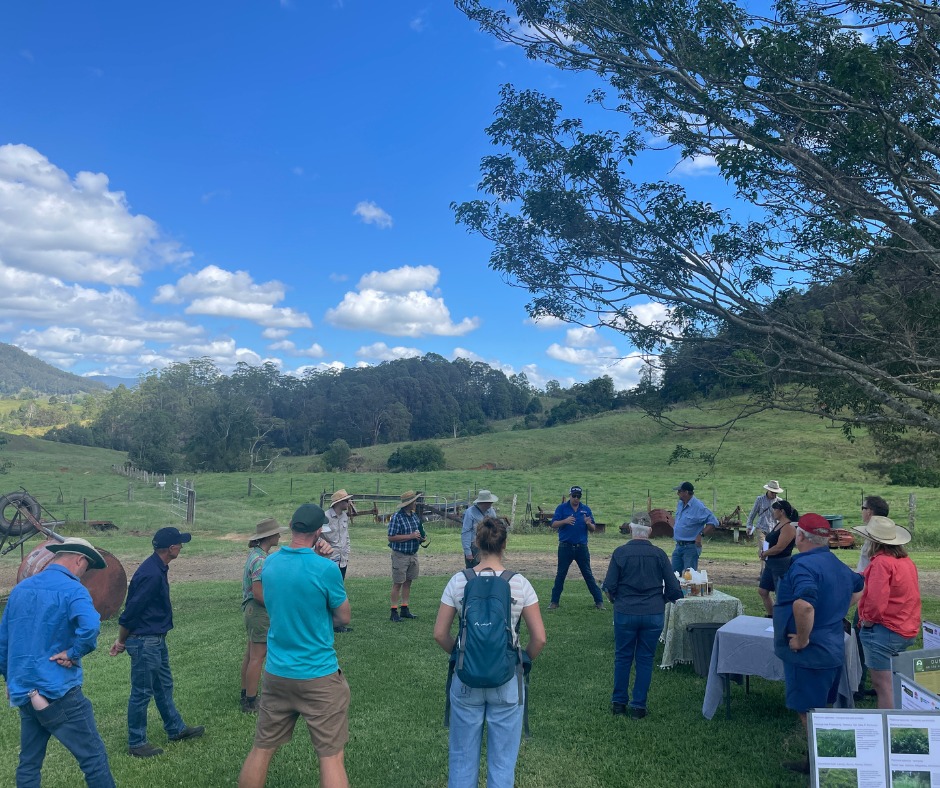
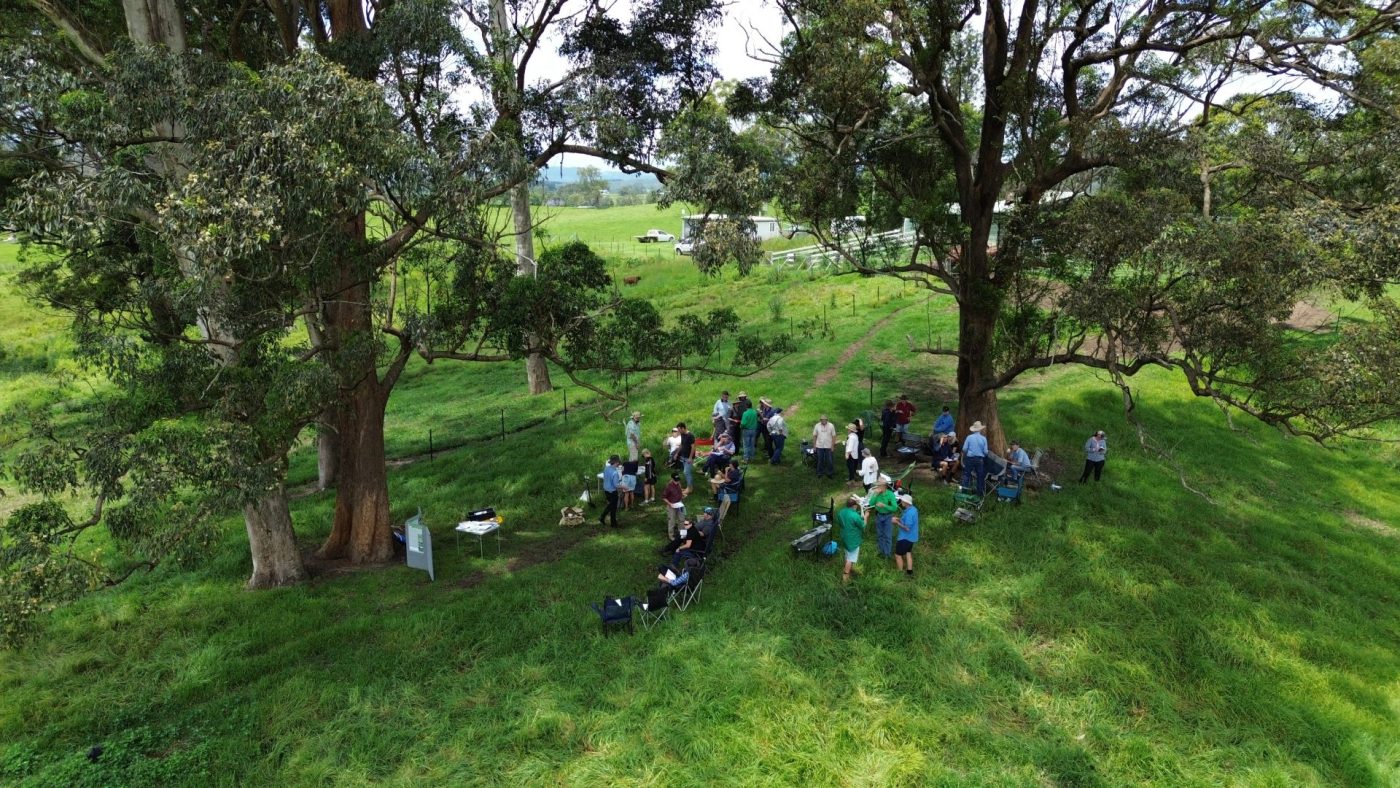
Lee Fieldhouse from Island Biologicals was the key attraction at Nambucca Valley Landcare’s most recent producer workshop, the first in a series run by local coordinator Ainslie Ashton across different sub catchments of the valley. Ross and Maggie from Welshs Creek Santa Gertrudis generously hosted the workshop, and more than 30 producers from Taylors Arm

Producer workshop: Building pasture diversity, soil biology Read More »

Scroll to Top